
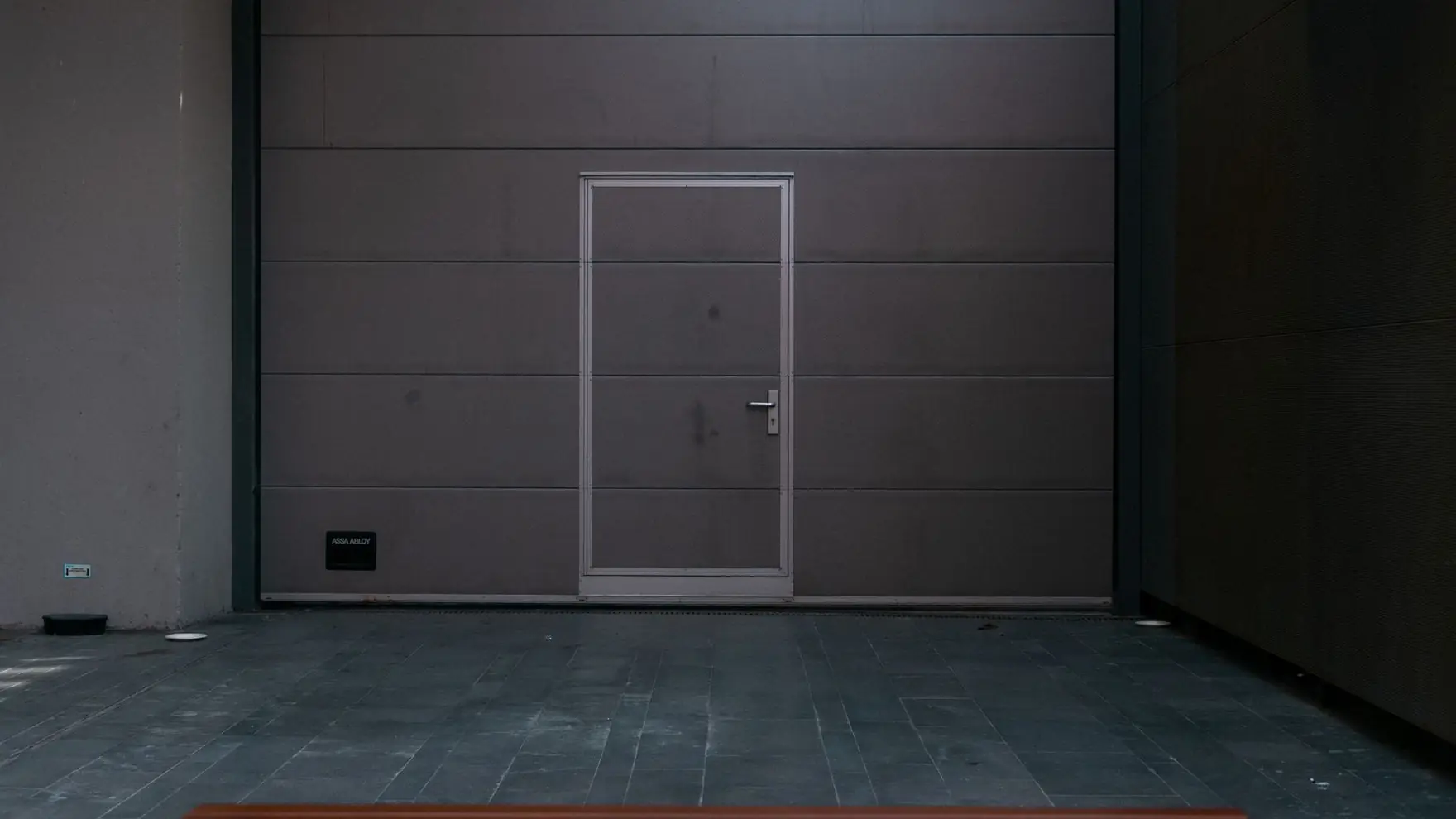
New doors installed in one day
Garage Door Installation in Dallas-Fort Worth
Short answer
Garage door installation replaces the door, track, springs and hardware as one system, sized to your actual opening rather than a catalog size. Doors are quoted after a field measure, because size, layer count, insulation and hardware move the number significantly. Installations are completed in a single day and the old door leaves on our truck.
A New Garage Door Is the Only Renovation You See Every Single Day
Overview
Garage door installation in Dallas-Fort Worth typically runs $2,000 to $10,000 or more for a single door and $3,500 to $20,000 or more for a double, with the average DFW double-door job landing near $4,500. That range is wide because material, insulation, glass, hardware and wind rating each move the number, and this page explains exactly how.
Professional Garage Concepts has installed residential doors across the Metroplex since 2001. We carry 532 Google reviews at 4.8 stars, our technicians are IDA certified, and we run two showrooms where you can compare a 24 gauge steel panel against a cedar overlay against a full-view aluminum frame before you commit to any of them.
Most residential installs are a single-day job. The old door comes down, the new sections, track, springs and hardware go up, the opener is reconnected and tuned, and the old door and metal leave on our truck. Call (817) 381-6173 or come measure options in Keller or Grand Prairie.
How Much Does a New Garage Door Cost in Dallas-Fort Worth?
A new garage door installed in DFW costs $2,000 to $10,000 or more for a standard single-car door and $3,500 to $20,000 or more for a double. The typical double-door job in this market runs about $4,500 installed. Insulation adds $500 to $1,000 for a polystyrene core and $1,000 or more for polyurethane. Connecting an existing opener to a new door adds $100 to $300, and a new opener is $150 to $350.
What drives the spread is not markup, it is construction. A single-layer 25 gauge steel door with no windows and standard track sits at the bottom. A three-layer insulated steel carriage house door with decorative hardware and four windows sits in the middle. A stain-grade cedar door with custom arch top, wrought iron hardware and a wind-load rating sits at the top, and those genuinely cost what they cost because the material and the labor are different.
Budget for the whole opening, not just the slab. Springs sized for the new door weight, new rollers, new hinges, new bottom seal and new track are part of a correct installation. A quote that reuses 15-year-old springs on a heavier insulated door is not a bargain, it is a callback with a broken spring inside two years.
- Single door, non-insulated steel: roughly $2,000 to $3,000 installed
- Double door, two-layer insulated steel: roughly $3,500 to $6,000 installed
- Double door, insulated carriage house with windows and hardware: roughly $6,000 to $10,000
- Custom wood, full-view glass or oversized doors: $10,000 to $20,000 and up
- Add $500 to $1,000 for polystyrene insulation, $1,000+ for polyurethane
The Material Ladder: Steel, Composite, Wood, Aluminum and Glass
Five materials cover nearly every residential door sold in North Texas. They are not better and worse, they are different trades between price, weight, maintenance and how the door looks from the curb.
Steel is roughly 85 percent of what we install in DFW, and for good reason. It is dimensionally stable in heat, it takes a baked-on finish that survives Texas sun, it accepts insulation cores, and it is the only material available at every price point. Gauge matters: 24 gauge steel is thicker and more dent resistant than 25, which is thicker than 26. Layer count matters more: single-layer is one steel skin, two-layer adds an insulation core, three-layer adds a second steel skin behind the insulation and roughly doubles the panel's stiffness.
Faux-wood composite gives you the look of stained cedar with a factory finish that does not need refinishing. From the street at 30 feet almost nobody can tell. Real wood, usually cedar or mahogany, is unmatched in depth and grain and is the correct choice on a Tudor, a Spanish colonial or a high-end custom home, but it needs refinishing on a schedule in this climate. Aluminum with glass, the full-view door, is the contemporary and modern-farmhouse answer and it is also what you want on a garage you use as a gym or a bar, because it brings in daylight.
- Steel: best value, best heat stability, widest price range, dent resistance set by gauge and layer count
- Faux-wood composite: wood look without the refinishing cycle, no warping in 120F garages
- Cedar and mahogany: the real thing, highest visual quality, needs staining every few years in Texas sun
- Aluminum and glass: contemporary look, maximum daylight, lightest weight, least insulation
- Vinyl and fiberglass: available, rare in this market, mostly for coastal or high-dent applications
Insulation: What R-Value Buys You in a Texas Garage
Insulation is the single upgrade DFW homeowners most often skip and most often regret. An uninsulated steel door is one thin sheet of metal facing west into a 105F afternoon. It absorbs that heat and radiates it into the garage, which is why an uninsulated North Texas garage routinely reads 120F or higher on a summer afternoon while the outside air is 15 degrees cooler.
Two core types dominate. Polystyrene is a rigid foam board cut and fitted into the panel, typically landing a door in the R-6 to R-9 range, and it adds $500 to $1,000 to the job. Polyurethane is injected as a liquid that expands and bonds to both steel skins, typically reaching R-12 to R-18, and it adds $1,000 or more. Polyurethane also stiffens the panel considerably and it is much quieter, because the foam bond kills the drum effect that makes a hollow steel door boom.
Who should pay for it: anyone with an attached garage, anyone whose water heater or HVAC air handler lives in the garage, anyone with a room over the garage, and anyone who uses the space for anything other than parking. Who can skip it: a detached, unused garage on the north side of the house.
- Single layer, no insulation: no meaningful R-value, loudest operation
- Two-layer polystyrene: roughly R-6 to R-9, adds $500 to $1,000
- Three-layer polyurethane: roughly R-12 to R-18, adds $1,000 or more, quietest and stiffest
- A new bottom seal and perimeter weatherstrip matter as much as the core on an older, out-of-square opening
Wind Rating: Why It Belongs on a North Texas Spec Sheet
Garage doors are the largest opening in most houses and the most common structural failure point in a windstorm. When a door blows in, the pressure inside the house spikes and the roof becomes the next thing to leave. That is not a coastal-only problem. North Texas sits in a severe convective wind and hail corridor, and 70 to 80 mph straight-line gusts off a spring squall line are a normal Metroplex event.
A wind-rated door is not simply a thicker panel. It is an engineered system: reinforced struts across each section, heavier gauge steel, upgraded end hinges and rollers, a stronger track, and additional jamb fastening into the framing. Manufacturers publish design pressure ratings for each door and size, because a 16-foot double door sees far more load than an 8-foot single.
Check your city and HOA first. Wind-load requirements in Texas are set locally and they vary across the Metroplex. If you are replacing a door on a home built to a wind-load spec, the replacement generally has to meet it. We pull the manufacturer's rating for your exact door width and confirm it before we order.
- Reinforcing struts on every section, not just the top
- Heavier end hinges, rollers and track for the added load
- Additional jamb anchoring into structural framing
- Manufacturer design pressure ratings quoted for your specific door size
- Wind-rated construction also stiffens the door against hail flexing
Measuring, Headroom and Track Options
Standard residential openings in DFW are 8x7 and 9x7 for singles and 16x7 and 18x7 for doubles, with 8-foot-tall doors increasingly common in newer builds and in garages that hold a full-size truck. None of that is assumed. We measure the rough opening width and height, the headroom above the opening, the sideroom on each jamb, and the backroom to the rear wall before quoting.
Standard lift track needs roughly 12 inches of headroom for a torsion system. Low headroom track brings that down to about 4.5 inches using a double horizontal track, which is what saves a garage with ductwork or a low ceiling. High lift raises the door further up the wall before it turns horizontal, which is what you need over a car lift or when you want the door out of the way of overhead storage. Vertical lift is a commercial configuration for tall openings.
If your opening has moved, we will find it during measurement. The expansive clay under most of DFW shifts slabs and racks framing over time, and an opening that is out of square by half an inch changes how the door seals and how the track has to be shimmed. That gets corrected during installation, not discovered afterward.
- Common DFW sizes: 8x7, 9x7, 16x7, 18x7, plus 8-foot-tall variants
- Standard lift: about 12 inches of headroom
- Low headroom: about 4.5 inches with double track
- High lift: for car lifts, overhead storage and taller ceilings
- Sideroom of roughly 3.75 to 6 inches per jamb, backroom of door height plus about 18 inches
What a One-Day Garage Door Installation Actually Looks Like
A standard single-door replacement takes three to four hours. A standard double takes four to six. Two doors in one visit is a full day. Those numbers assume a straightforward opening, and we tell you in advance if yours is not.
The order of operations matters, and the part homeowners rarely see is spring sizing. Springs are matched to the finished weight of the new door. A three-layer polyurethane insulated door can weigh 80 pounds more than the single-layer door it replaced, and springs sized for the old weight will fail early and leave the door dangerous to lift by hand. New door means new springs, correctly calculated, every time.
- You do not need to be home the whole time, but you do need the garage emptied to about eight feet back from the opening
- Power at the opening for the opener reconnection
- Cars out of the garage and off the apron in front of the door
We Haul the Old Door Away
Removal and disposal of the old door, track, springs and hardware is included in every installation we quote. It leaves on our truck the same day. You are not left with 300 pounds of scored steel sections leaning against the side of the house waiting for a bulk pickup that your city may not do.
This is worth confirming with any contractor you quote. Some installers price removal separately, and a few leave the debris. Sectional steel is heavy, the edges are sharp, and a garage door under spring tension is genuinely dangerous to dismantle without the right tools. It is not a DIY teardown.
Openers, Smart Control and Accessories
A new door is the right moment to deal with the opener. Reconnecting a working opener to a new door costs $100 to $300 and includes resetting travel limits, force settings and photo-eye alignment for the new door weight. A new opener installed is $150 to $350.
We install LiftMaster and Chamberlain. For an attached garage with living space above or beside it, a belt drive or a wall-mount jackshaft unit is worth the difference, because a chain drive on a shared wall is audible in the room above. Wall-mount units also clear the ceiling entirely, which pairs with high lift track when you want overhead storage or a car lift.
Useful add-ons while the crew is already there: a keypad on the exterior jamb, a battery backup so the door opens during an outage, smart phone control, and an insulated bottom seal sized to a slab that is no longer perfectly flat.
- Belt drive for attached garages and bedrooms over the garage
- Wall-mount jackshaft to free the ceiling for storage or a lift
- Battery backup for storm-season outages
- Exterior keypad, remotes and phone control setup included in the install
How it works
Installation Day, Step by Step
- STEP 01
Measure and confirm the order
We measure the rough opening, headroom, sideroom and backroom, then confirm size, material, insulation core, glass, hardware and wind rating. Nothing is ordered from an estimate. Standard steel doors typically arrive in one to three weeks, custom and wood run longer.
- STEP 02
Old door and hardware come out
The crew releases spring tension safely, removes the sections top down, then pulls the old track, brackets, springs, cables and hardware. Everything is loaded on our truck for disposal. This is the point where any damage to the jamb or a racked opening becomes visible.
- STEP 03
Track, jambs and hardware go up
New vertical and horizontal track is fastened to the jambs and structure, shimmed square and plumb to the actual opening rather than to the assumption of a square one. On wind-rated doors this includes the additional jamb anchoring the rating requires.
- STEP 04
Sections stacked, springs sized and wound
Sections go in bottom to top with new hinges, rollers and struts. The torsion springs are calculated to the finished weight of the new door, mounted on the shaft, and wound to spec. This is the step that determines whether the door lasts a decade or two years.
- STEP 05
Opener reconnected and tuned
The opener is reattached, travel limits are set for the new door height, force settings are dialed to the new weight, and the photo-eye safety sensors are aligned and tested. Remotes, keypad and phone control are programmed before we leave.
- STEP 06
Balance test and walkthrough
We disconnect the opener and lift the door by hand to confirm it holds at waist height, which is how a correctly balanced door behaves. Then we cycle it under power with you watching, show you the manual release, and clean up. The old door is already gone.
Straight pricing
New Garage Door Pricing in DFW
These are honest DFW installed ranges and not a firm quote. Door size, insulation core, glass, hardware, wind rating and opening condition all move the number, and you get a written price before anything is ordered.
Standard steel
$2,000 to $4,000installed
Rental property, detached garage, or a straightforward like-for-like replacement
- Single-layer or two-layer steel, 25 or 24 gauge
- New track, rollers, hinges and correctly sized springs
- Baked-on factory finish
- Old door hauled away
Insulated steel, typical DFW double
About $4,500installed
Most attached DFW garages, this is the market's center of gravity
- Two-layer or three-layer insulated construction
- Polystyrene core, R-6 to R-9
- Optional carriage house styling and window sections
- New springs, rollers, hinges, seal and track
Insulated carriage house with glass and hardware
$6,000 to $10,000installed
Curb appeal on a home where the garage faces the street
- Three-layer polyurethane, R-12 to R-18
- Decorative hardware and window inserts
- Wind-rated construction available
- Quieter operation, stiffer panels
Custom wood, full-view glass or oversized
$10,000 to $20,000+installed
Custom homes, architectural matching, oversized and tall openings
- Cedar, mahogany, or aluminum and glass full-view
- Custom sizing, arch tops and hardware
- Design consultation in our showrooms
- Longer lead times, typically six to twelve weeks
Answers
Frequently asked questions
Still stuck? Call (817) 381-6173 and talk to someone who does this every day.
How much does a new garage door cost in Dallas-Fort Worth?
A new garage door installed in DFW costs $2,000 to $10,000 or more for a single door and $3,500 to $20,000 or more for a double, with the typical DFW double-door job landing near $4,500. Insulation adds $500 to $1,000 for polystyrene or $1,000 and up for polyurethane. Material, glass, hardware and wind rating drive the rest.
How long does garage door installation take?
A single-door replacement takes three to four hours and a standard double takes four to six hours, so nearly every residential installation finishes in one day. Two doors at one house is a full day. Custom, oversized and wind-rated doors can take longer because of the additional bracing and jamb anchoring involved.
Do you haul away the old garage door?
Yes, removal and disposal of the old door, track, springs, cables and hardware is included in every installation we quote, and all of it leaves on our truck the same day. Confirm this with any contractor you compare, because some price removal separately and a few leave the debris on site.
Do I need new springs when I get a new garage door?
Yes, new springs are part of every correct installation, because springs are sized to the finished weight of the specific door and a new insulated door can weigh 80 pounds more than the single-layer door it replaced. Reusing old springs leaves the door out of balance, overloads the opener, and typically causes a failure within a year or two.
What garage door brands do you install?
We install Amarr residential garage doors across their traditional steel, carriage house and full-view aluminum lines, paired with LiftMaster and Chamberlain openers, and we keep real Amarr sections and hardware in both showrooms. Amarr also offers wind-load rated WindStorm configurations and a pinch-resistant panel design, both of which matter in North Texas.
Do I need a wind-rated garage door in North Texas?
Check your city code and HOA first, because wind-load requirements in Texas are adopted locally and vary across the Metroplex, and a home originally built to a wind-load spec generally needs a replacement door that meets it. Wind-rated construction is worth considering regardless, since the garage door is the largest opening in the house.
Is an insulated garage door worth it in Texas heat?
Yes for any attached garage, any garage holding a water heater or air handler, and any garage with living space above it, because an uninsulated steel door absorbs afternoon sun and radiates it inward, which is why DFW garages routinely pass 120F in August. Polyurethane cores also cut door noise substantially.
Can I keep my existing garage door opener?
Usually yes, if the opener is under about ten years old and the drive is sound. Connecting an existing opener to a new door costs $100 to $300 and includes resetting travel limits, force settings and safety sensor alignment for the new door weight. A new opener installed runs $150 to $350.
How long does it take to get a new garage door delivered?
Standard steel garage doors in common sizes typically arrive within one to three weeks of order, while custom sizes, wood doors, specialty glass and wind-rated configurations commonly run six to twelve weeks because they are built to order. We confirm the lead time in writing before you pay a deposit.
What do I need to do before installation day?
Clear the garage to about eight feet back from the opening, move all vehicles out of the garage and off the driveway apron, and make sure there is working power at the opener. You do not need to be present the whole time, but plan to be there for the final walkthrough and balance test.
By city
New Door Installation near you
Related services
Residential Garage Doors
Repair, springs, openers and new doors across the Metroplex. 532 Google reviews at 4.8 stars, IDA certified technicians, and two showrooms where you can put your hand on the actual door.
Learn moreCustom Garage Doors
Cedar, mahogany, full-view glass, ironwork and arch tops, sized and detailed to your house. Come put your hand on the material in Keller or Grand Prairie before you commit.
Learn moreMetal Garage Doors
Gauge, layer count, wind rating and finish decide whether a metal door still looks right after ten Texas summers. Here is how to read the numbers before you buy.
Learn moreAmarr Garage Doors
We install the Amarr residential lines across DFW and stock real sections in Keller and Grand Prairie. 532 Google reviews at 4.8 stars, IDA certified, working here since 2001.
Learn moreInsulation
In August, the inside face of an uninsulated steel door runs well past 120F. That heat goes into the garage, into the wall it shares with your house, and into the rooms above it.
Learn moreReady to get new door installation handled?
Call (817) 381-6173 or send the form. We answer quote requests the same business day, and we have been doing this across DFW since 2001.