
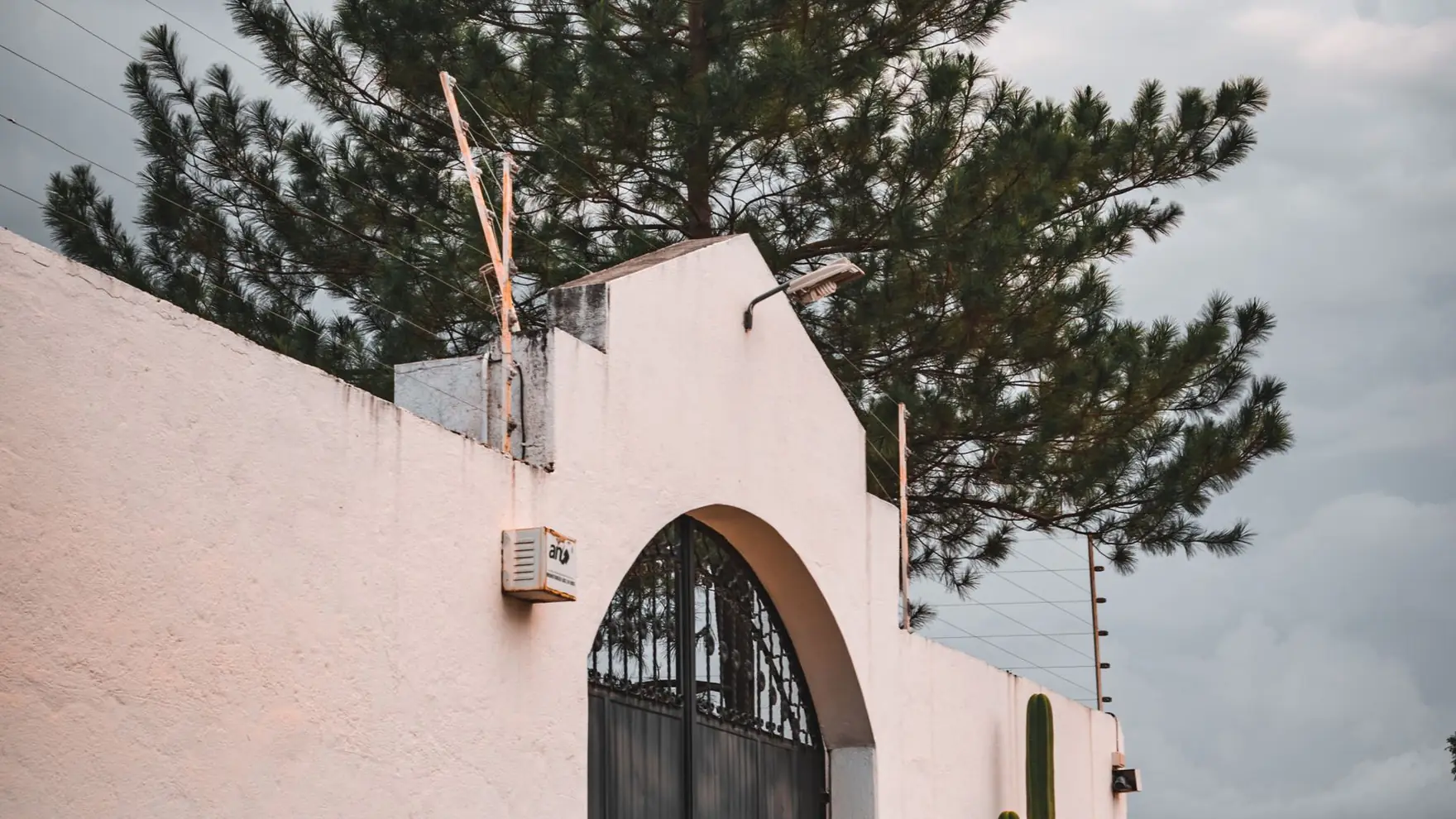
Driveway Gate Installation
Driveway Gate Installation Across DFW
Short answer
Professional Garage Concepts installs driveway gates across the Dallas Fort Worth metroplex, from the site evaluation and post footings through the gate, the operator, the access control and the safety. Single swing gate, installed runs $4,500 installed in Dallas-Fort Worth. Installations are completed in a single day.
Most gate problems are decided before anyone welds anything
Overview
Professional Garage Concepts installs driveway gates across the Dallas Fort Worth metroplex, from the site evaluation and post footings through the gate, the operator, the access control and the safety system. We have installed and serviced automated openings in DFW since 2001 and hold 532 Google reviews at a 4.8 star average.
A driveway gate installation is a small civil project with a motor on the end of it. The gate has to fit an opening that may slope. The posts have to hold several hundred pounds of swinging steel in soil that moves with the season. Power has to reach the operator and low voltage has to reach the keypad, the loops and the photo eyes. The operator has to be sized to the gate that actually got built, not the one on the sketch.
Get those right and the gate runs for years on a lubrication and a battery. Get them wrong and you own a gate that drags every August, an operator that burns out in year two, and a safety loop that stops reading the first time the drive cracks.
Swing, slide and cantilever: a spec comparison
Pick the configuration from the site, then design the gate. Here is what each type requires and what it gives you back.
- Single swing gate. Space needed: a clear arc equal to the leaf length, on ground that stays level through that arc. Slope tolerance: low, roughly 1 to 2 inches of rise through the swing path before it binds. Sideroom: minimal. Opening time: about 12 to 20 seconds. Cost: lowest. Best for level residential drives and ornamental iron entries with room behind the gate.
- Dual swing gate. Space needed: two arcs, each equal to half the opening width. Slope tolerance: low. Sideroom: minimal. Opening time: faster than a single leaf across the same opening, because each leaf is half as long. Cost: moderate. Best for wide openings where a single leaf would be too long and too heavy for a swing operator.
- Roller slide gate. Space needed: clear sideroom equal to the full opening width, plus a level concrete run for the ground track. Slope tolerance: high across the opening, low along the track, which must be level. Opening time: about 15 to 25 seconds. Cost: moderate. Best for sloped driveways, short setbacks and blocked swing paths.
- Cantilever slide gate. Space needed: roughly 1.5 times the opening width in total run, for the counterbalance tail. Slope tolerance: high, and it clears gravel, debris and standing water because nothing touches the ground. Opening time: similar to a roller slide. Cost: highest of the slide types. Best for uneven ground, drives that flood, gravel drives and ranch entries.
- Bi-fold gate. Space needed: about half the arc of a comparable swing gate. Slope tolerance: low to moderate. Opening time: roughly half that of a comparable swing. Cost: high. Best for short driveways, busy street frontages and properties where a car stacks close to the gate.
Site evaluation: what we measure before quoting
The site visit is where the project is actually designed. Everything below gets measured and photographed, and it all goes on the quote so nothing has to be assumed once the crew arrives.
If a gate quote arrives without any of these numbers on it, the contractor is guessing and you will pay for the guess later.
- Opening width at the gate line and the width of the driveway approaching it
- Elevation change across the opening and along the swing arc or track run
- Clear sideroom on both sides, counting fence lines, retaining walls, trees, mailboxes and utility pedestals
- Stacking distance from the gate to the street, which decides whether a waiting car hangs into traffic while the gate opens
- Existing columns, posts or footings and whether they can carry a moving automated gate
- Nearest power source and the run distance from it to the operator
- Pavement type and condition where safety and exit loops will be cut
- Drainage, low spots and where water actually stands after a storm
- Utility locates called before any trenching or footing excavation
- Turning radius for the vehicles that really use the drive, including trailers and delivery trucks
Gate posts and footings in Blackland Prairie clay
This is the part of a DFW gate installation that separates a gate that lasts from a gate that leans, and almost nobody brings it up before selling you one.
Most of the metroplex sits on Blackland Prairie soil, a highly expansive clay. It swells when it takes on water and shrinks when it dries, and North Texas delivers both extremes in the same year. That movement is concentrated in the upper few feet of soil, the active zone. A gate post set in a shallow, undersized footing sits entirely inside that zone and gets moved by it every season. That is why a gate that closed perfectly in March catches on the pavement in August.
A gate post is also not a fence post. A swing gate post carries a cantilevered load. Several hundred pounds of steel hanging out sideways is trying to tip that post over every hour of every day, and the clay is helping. Footings for gate posts have to be sized for that overturning load and set deep enough to reach past the active zone, with diameter and depth driven by gate weight, leaf length and post height.
- Footings sized for gate weight and leaf length, not to a default fence post spec
- Depth set to reach past the seasonal moisture active zone rather than to a standard fence depth
- Concrete crowned at the top so water sheds off the footing instead of running down the post
- Steel post section matched to the load, with heavier sections under long ornamental leaves
- Reinforcement in larger footings where the overturning load calls for it
- Drainage addressed where a post sits in a low spot, because a footing standing in water moves the most
- Existing masonry columns evaluated before a gate is hung on them, since most were built to look good rather than to carry a moving load
- Slide gate track runs poured level and thick enough to keep the track from settling
Trenching, power and low voltage
The gate needs a dedicated circuit, and the safety and access devices need low voltage runs, which means trenching from the panel out to the gate. On acreage entries that distance is often the single largest line item on the quote, and it is the reason solar becomes attractive on long runs.
Line voltage and low voltage go in separate conduits. Sharing a trench is fine. Sharing a conduit invites interference on the loop and receiver circuits, which produces intermittent faults that are miserable to chase two years later. Everything terminates in a weather rated enclosure at the operator.
- Dedicated circuit to the operator, permitted where the city requires it
- Separate conduits for line voltage and low voltage in the same trench
- Low voltage runs to the keypad, telephone entry, photo eyes, exit device and loop detectors
- Safety and exit loops saw cut into the pavement, wire laid, and the cut sealed against water intrusion
- Spare conduit sleeves under the drive so future work does not mean cutting concrete again
- Solar packages where the trench run makes line power impractical, sized to measured daily cycles
- Surge protection installed at the operator, which is inexpensive insurance in North Texas storm season
Operator sizing, access control and safety
The operator is sized by three numbers: finished gate weight, leaf or gate length, and cycles per day. Miss any one of them and the operator fails early. Weight is the obvious one. Leaf length is the one people forget, because a long light gate puts as much torque on a swing operator as a short heavy one. Cycles per day is the one owners underestimate, especially on shared drives, ranch entries with staff traffic, and homes where teenagers, deliveries and lawn crews add up faster than anyone counts.
We install LiftMaster, DoorKing and All-O-Matic. All three have real parts availability in this market, which matters the Sunday a control board dies.
Decide access control before the trench is dug. Conduit is cheap while the ditch is open and expensive after the concrete goes back. The safety package is not a choice at all. UL 325 requires at least two independent means of entrapment protection on a powered gate, which in practice means the operator's built-in obstruction sensing plus photo eyes, safety edges or safety loops, with warning placards on both sides.
- Residential duty: roughly 10 to 20 cycles a day, a single family driveway
- Light commercial duty: roughly 20 to 50 cycles a day, shared drives and small offices
- Continuous duty: 50 cycles a day and up, with the thermal rating to run all day
- 24V DC with battery backup so the gate still operates through a power outage
- Swing options: arm, linear and underground operators. Slide options: chain, belt and rack and pinion.
- Access control: keypads with per-user codes, transmitters, telephone entry, cellular app control including LiftMaster myQ and DoorKing, card and fob readers
- Free exit loop, exit wand or photo sensor so nobody needs a code to leave
- Emergency access for fire and EMS: Knox box, siren-activated sensor or click-to-enter receiver
- Safety: photo eyes on both paths, safety and shadow loops, safety edges where a beam cannot cover the pinch point
Permits, HOA approval and lead times
Two things delay gate projects in DFW, and fabrication is rarely one of them. The first is approvals. The second is deciding late.
Most cities in the metroplex require an electrical permit for the operator circuit. Many also review where a gate meets a public right of way, with setback rules that keep a gate from opening into the street and stacking requirements so a waiting vehicle does not block traffic. Fire access is its own review in many jurisdictions, and gates serving more than one home often need an emergency access device. Requirements vary city to city, so we confirm with your jurisdiction rather than assuming what Keller does is what Frisco does.
If you are in an HOA, expect an architectural review. Associations typically look at gate height, style, material, finish color, and whether the design matches the neighborhood standard. Submit early. A committee that meets once a month can add four to six weeks to a schedule for a gate that was never going to be denied.
Lead time on the gate itself depends on what you ordered. Stock panel gates move quickly. Custom ornamental iron is fabricated to your drawing and takes longer. Operators and access control hardware are usually available. On site, most installations run two to four days once materials arrive, and footings need cure time before any gate load goes on them. We confirm the lead time in writing at order release and tell you if it moves.
How it works
How a driveway gate installation runs
- STEP 01
Site evaluation
We measure the opening, the slope through the gate path, clear sideroom, stacking distance to the street, existing columns and the power run distance. Utility locates get called before anything is dug.
- STEP 02
Design and specification
You get a gate type the site actually supports, a material and finish, an operator sized to the finished gate weight and your measured cycle count, and an access control plan. All of it appears on the written quote with the lead time.
- STEP 03
Approvals and ordering
We pull the electrical permit where the city requires one and provide drawings and specifications for your HOA architectural submittal. The gate is released for fabrication once approvals are in hand.
- STEP 04
Footings and rough-in
Posts and footings are set to a depth and diameter sized for the gate load and for expansive clay. Trenching, conduit, line voltage and low voltage go in at the same time, and the loops are cut and sealed.
- STEP 05
Gate and operator installation
Footings cure before any gate load goes on them. The gate is hung plumb and square, the operator is mounted and aligned, and the drive is set and tensioned to the manufacturer's specification.
- STEP 06
Commissioning and training
We set travel limits and force, test every safety device, program remotes, keypad codes and app users, install the warning placards, and demonstrate the manual release. You get the operator documentation and our direct number.
Straight pricing
Driveway gate installation cost in DFW
These are installed ranges for this market, not quotes. Opening width, gate weight, ornamental detail, footing size, trench distance for power, operator duty rating and access control all move the final number.
Single swing gate, installed
$4,500starting at
A level residential driveway with room for the swing
- Steel or aluminum gate sized to the opening
- Post footings sized for the gate load and DFW clay
- Residential duty operator with battery backup
- Photo eyes and required safety devices
- Two remotes, a keypad and full commissioning
Dual swing, slide or cantilever
$8,000 to $15,000installed
Wider openings, sloped drives and heavier gates
- Two leaf swing, roller slide or cantilever gate
- Deeper engineered footings for cantilever and long leaves
- Light commercial duty operator
- Safety and exit loops saw cut and sealed
- Keypad, transmitters and a free exit device
Custom ornamental iron entry
$15,000+installed
Estate entries with stone columns and custom scrollwork
- Custom fabricated ornamental leaves built to your drawing
- Continuous or commercial duty operator
- Telephone entry or cellular app access control
- Full UL 325 safety package with loops and safety edges
- Powder coat or primed and topcoated finish
Power, trenching and low voltage
Quoted by distanceper project
Acreage entries where the panel is a long way from the gate
- Dedicated circuit run to the operator
- Separate conduits for line and low voltage
- Spare conduit sleeves under the drive for future work
- Surge protection at the operator
- Solar package priced as an alternative on long runs
Answers
Frequently asked questions
Still stuck? Call (817) 381-6173 and talk to someone who does this every day.
How long does driveway gate installation take?
Most driveway gate installations take two to four days on site once materials arrive, covering post footings, trenching and conduit, gate hanging, operator mounting and commissioning. Footings need cure time before the gate hangs on them. The longer part of the schedule is usually fabrication lead time plus permit and HOA approval, not the crew time.
How deep should driveway gate posts be set in DFW soil?
Gate post footing depth and diameter are sized to the gate weight, leaf length and post height, and in Dallas Fort Worth they need to reach below the seasonal moisture active zone in expansive Blackland Prairie clay. A gate post carries a sideways cantilevered load, so it needs far more footing than a fence post. Skipping this is why so many DFW gates start dragging in late summer.
Do I need a permit to install a driveway gate?
In most Dallas Fort Worth cities, yes. An electrical permit is normally required for the operator circuit, and many jurisdictions review gate setback from the right of way, vehicle stacking distance from the street, and emergency access for fire and EMS. Requirements vary by city, so we confirm with your jurisdiction before anything is ordered.
What size gate operator do I need?
Operator sizing comes from three numbers: finished gate weight, leaf or gate length, and cycles per day. Long light gates load a swing operator as hard as short heavy ones, and daily cycle counts are almost always underestimated. Count an actual week of use, including deliveries and service crews, before choosing a duty rating.
Can I put an automatic gate on a sloped driveway?
Yes, but the slope usually decides the gate type for you. A swing gate binds when the pavement rises more than an inch or two through the swing arc, so sloped openings normally call for a roller slide gate running on a level track or a cantilever gate that never touches the ground at all.
How much sideroom does a slide gate need?
A roller slide gate needs clear sideroom equal to the full opening width, so the gate has somewhere to go when it opens. A cantilever gate needs roughly 1.5 times the opening width in total run, because the counterbalance tail extends past the gate. Fence lines, trees, retaining walls and utility pedestals all count against that space.
Do you handle the electrical work and trenching?
Yes. We run the dedicated circuit to the operator, trench and sleeve the conduit, pull separate line voltage and low voltage runs, saw cut and seal the safety and exit loops, and terminate everything in a weather rated enclosure at the gate. Solar is priced as an alternative where the trench run is long.
Will my HOA approve a driveway gate?
Most HOAs allow driveway gates but require architectural review of the height, style, material and finish color before installation begins. Submit early, because a committee that meets monthly can add four to six weeks to your schedule. We provide the drawings and specifications for your submittal package.
Related services
Driveway Gates
Ornamental iron, steel, aluminum and wood-clad driveway gates with LiftMaster, DoorKing and All-O-Matic operators, installed and serviced across DFW. Since 2001, 532 Google reviews at 4.8 stars.
Learn moreGate Repair
We repair gate operators, control boards, safety loops, photo eyes, hinges, rollers and access control across DFW. Automated openings have been our trade since 2001. 532 Google reviews at 4.8 stars.
Learn moreCommercial Garage Doors
We install, service and maintain sectional steel, rolling steel, high-speed and fire-rated doors plus loading dock equipment across DFW. 24/7 emergency response. Working in this metroplex since 2001.
Learn moreGarage Door Openers
Belt, chain, or wall-mount jackshaft. We size the drive to the actual door, install it, program the remotes, keypad and app, and set the force so the safety reverse works.
Learn moreReady to get gate installation handled?
Call (817) 381-6173 or send the form. We answer quote requests the same business day, and we have been doing this across DFW since 2001.