
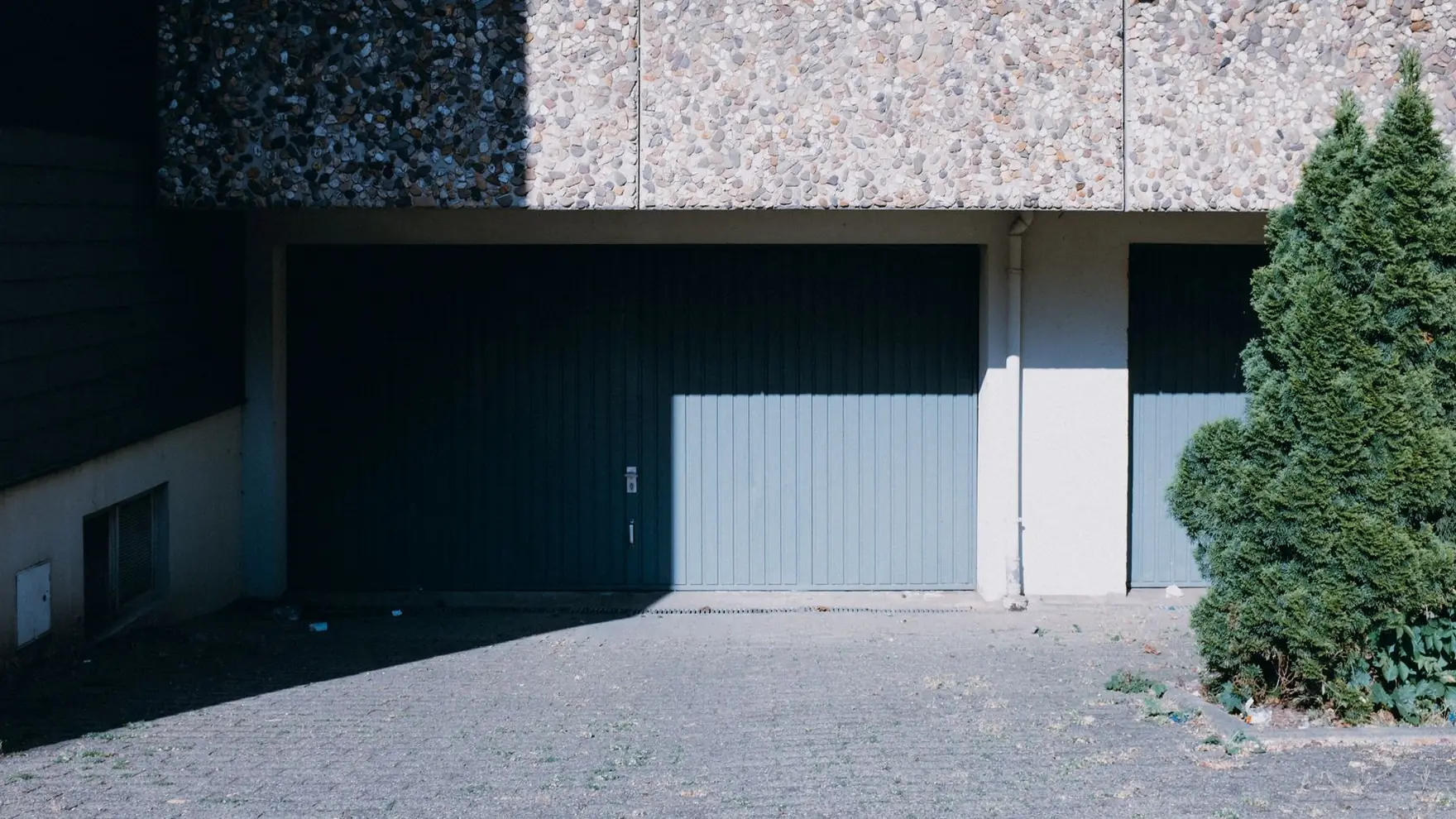
Bottom seals, thresholds, stop moulding
Garage Door Weatherstripping and Seals in DFW
Short answer
Garage door weatherstripping is the four seals that close the gap around your door: the bottom seal in the retainer, the threshold bonded to the slab, the stop moulding down both sides and across the top, and on some doors a seal between sections. A full seal set with an annual tune-up runs $95 to $150. Fitted in a single day.
If you can see daylight under your closed garage door, so can everything else.
Overview
Garage door weatherstripping is the set of flexible seals that close the gap between a garage door and the opening it sits in. There are four of them on a typical DFW door: the bottom seal in the retainer under the door, the threshold seal bonded to the slab, the stop moulding down both sides and across the top, and on some doors a seal between the sections.
They are the cheapest parts on the door and the first ones to fail in this climate. Vinyl and PVC harden and crack under Texas UV and 100F-plus garage heat. Rubber bottom seals flatten and take a permanent set. Slabs settle in expansive Blackland Prairie clay, which leaves a bowed gap in the middle of the opening that a flat seal cannot close.
The test takes fifteen seconds. Close the door, stand inside with the lights off in the middle of the day, and look along the bottom and up both sides. Any daylight is a gap. Professional Garage Concepts has been sealing DFW doors since 2001. Call (817) 381-6173.
The four seals on a garage door and what each one does
Most homeowners know about the bottom seal and nothing else, which is why so many DFW garages still take water after the bottom seal gets replaced. The seals work as a set.
- Bottom seal: a flexible astragal held in an aluminum retainer along the bottom of the door. It compresses against the slab. Common profiles are bulb, T-style and beaded, and the retainer determines which one fits.
- Threshold seal: a rubber ramp bonded to the slab in the door opening. It seals from below rather than from the door, which is what makes it the fix for a slab that has settled or slopes back toward the garage.
- Side and top stop moulding: the trim around the opening with an integrated vinyl flap that presses against the outer face of the door. This is where most DFW light leaks actually are, and it is the seal people forget.
- Between-section seals: a lip or shiplap joint between panels on better doors, plus a top seal on the header. These control blowing dust and driven rain more than they control temperature.
Why North Texas is hard on garage door seals
Four things in this market shorten seal life, and they are all local.
Driving rain. A DFW thunderstorm arrives with wind from the west or southwest and pushes water horizontally against the door face rather than dropping it in front. A worn bottom seal that would be fine in a vertical rain lets water straight under the door, and the water runs downhill into the garage because most slabs pitch toward the house wall by design rather than away.
Slab movement. Expansive clay shrinks in the dry months and swells after storms. Over years, the slab at the door opening bows or settles, and the gap under a closed door stops being uniform. A one inch bulb seal that closed a flat opening in 2015 no longer touches in the middle. That is a threshold seal problem, not a bottom seal problem, and swapping the bottom seal alone will not fix it.
Heat and UV. Garage air past 100F plus direct sun on the door face makes PVC stop moulding brittle within a few Texas summers. It cracks at the nail line and the flap breaks off.
Dust. North Texas wind loads the tracks and the seal channel with grit. That grit sits under the bottom seal and slowly abrades the contact face until the seal no longer holds a line.
The gap that lets things in
A hardened bottom seal typically leaves half an inch to an inch of clearance at the low points. That is the whole story, and it is not really about energy.
A rat needs about half an inch of vertical gap. A mouse needs a quarter inch. Roaches and crickets need nothing at all, and in a DFW summer they move toward the cool concrete. So do snakes, which are the call we hear about most in July and August when homeowners find one against the back wall of the garage. Garages are the coolest accessible slab on the property during a heat wave, and a gap under the door is an open invitation.
The practical version: a seal set is the cheapest pest exclusion you can buy on a house. It is also the difference between storing anything on the garage floor and not. If you are running a garage gym, a workshop, cabinets or a coated floor, the seals are what protect that investment from the weather and from what walks in under the door.
One more North Texas detail. Blowing dust that gets under the door lands on everything and gets tracked into the house on shoes. Homeowners who seal the opening properly usually mention the reduction in dust before they mention anything else.
What we install, and how we decide which fix you need
The diagnosis takes a few minutes and it decides the whole job.
If the door bottom is straight and the slab is flat, a new bottom seal in the existing retainer is the answer. We match the astragal profile to the retainer already on your door, or replace the retainer if it is bent or corroded at the ends.
If the slab has settled or the opening bows, a bottom seal alone will not close it, because the door bottom is straight and the floor is not. That is the case for a threshold seal bonded to the slab. The slab has to be clean, dry and free of coating residue for the adhesive to hold, and we prep it rather than sticking it down over dust. A threshold also stops water that would otherwise run in under a properly sealed door on a slab that pitches the wrong way.
If you can see daylight up the sides or across the header, the stop moulding is the fix. We replace the moulding with new material and set the vinyl flap so it makes light contact with the door face without dragging on it, because a flap set too tight wears through in a season.
Any of the three can be done during a maintenance visit. If we are already there for a tune-up or a spring job, the labor is already on site, which is the cheapest way to buy it.
- Bulb, T-style and beaded bottom seals matched to your existing retainer.
- Aluminum retainer replacement where the old one is bent, split or corroded.
- Threshold seals bonded to a prepped slab for settled or reverse-pitched openings.
- Side and top stop moulding replacement with fresh vinyl flap.
- Seal work bundled into an annual tune-up so you pay one trip instead of two.
Straight pricing
Garage door seal pricing in DFW
Seal work is priced by door width and material, because a 16 foot double door takes twice the seal of a single, and a threshold is a different job from a bottom seal. We quote the exact figure on site and it is a short list.
Bottom seal replacement
Quoted by door widthinstalled
Daylight under a closed door, water running in during a west-wind storm
- Astragal profile matched to your retainer
- Retainer replaced if bent or corroded
- Door bottom cleaned and checked for rust
- Seal contact verified across the full width
Threshold seal bonded to the slab
Quoted by door widthinstalled
A slab that has settled in expansive clay or pitches back toward the garage
- Slab cleaned and prepped for adhesive
- Threshold cut to the opening
- Bottom seal contact checked against the new ramp
- Water path checked with the door closed
Full seal set with an annual tune-up
$95 to $150per door for the tune-up, seal parts quoted separately
Getting the whole perimeter closed in one trip instead of three
- 25-point inspection and full tune-up
- Bottom seal, stop moulding and threshold assessed together
- Track plumb corrected, which affects side gaps
- Both safety reverse tests
Answers
Frequently asked questions
Still stuck? Call (817) 381-6173 and talk to someone who does this every day.
How do I know if my garage door seal needs replacing?
Close the door, turn off the garage lights in the middle of the day, and look along the bottom and up both sides. Any daylight is a gap that rain, dust and pests are already using. Other signs are a bottom seal that stays flat instead of springing back, cracked or missing vinyl on the side trim, and water lines on the garage floor after a storm.
What is the difference between a bottom seal and a threshold seal?
A bottom seal is the flexible astragal attached to the door itself, held in an aluminum retainer, and it compresses against the slab when the door closes. A threshold seal is a rubber ramp bonded to the slab in the opening, sealing from below. Bottom seals handle a flat, level opening. Threshold seals are the fix when the slab has settled or slopes back toward the garage, which is common in DFW clay soil.
Can weatherstripping keep rodents and snakes out of my garage?
It closes the entry point they use most. A rat needs roughly half an inch of vertical gap and a mouse needs a quarter inch, which is exactly what a hardened bottom seal leaves. In a North Texas summer, snakes and insects move toward the coolest accessible slab on the property, and an unsealed garage is it. A proper seal set is the cheapest pest exclusion available on a house.
Why does water still come under my garage door after a new seal?
Almost always because the slab, not the seal, is the problem. The door bottom is straight, and if the slab has bowed or settled in expansive clay, a flat bottom seal cannot touch across the whole width. The other common cause is a slab that pitches back toward the garage, so water pools at the opening. Both are solved with a threshold seal bonded to the slab rather than another bottom seal.
How long does garage door weatherstripping last in Texas?
Expect three to five years from a bottom seal in North Texas and a similar window from PVC stop moulding, which is shorter than the national norm. Garage air past 100F, direct UV on the door face and blowing grit under the seal all shorten the life. Higher grade rubber astragals and vinyl moulding hold up longer. Checking seals is part of every annual tune-up, which is the cheapest way to stay ahead of it.
Can I replace garage door weatherstripping myself?
The bottom seal is one of the few garage door jobs a homeowner can reasonably take on, provided the door is fully closed and the opener is unplugged, and provided you match the astragal profile to the retainer already on the door. Stop moulding is also doable. Threshold seals are the one to leave alone, because slab prep decides whether the adhesive holds, and a threshold bonded to dusty concrete lifts within a season.
Related services
Insulation
In August, the inside face of an uninsulated steel door runs well past 120F. That heat goes into the garage, into the wall it shares with your house, and into the rooms above it.
Learn moreRepair & Maintenance
One visit a year: every moving part inspected, adjusted and lubricated, the door rebalanced by hand, and both safety reverse systems tested. $95 to $150 per door in DFW.
Learn moreGarage Door Repair
Broken spring, snapped cable, door off track, dead opener. We diagnose the actual fault in your driveway, give you the price before we start, and carry the common parts on the truck.
Learn moreNew Door Installation
Published DFW pricing, real material options you can touch in our showrooms, wind-rated construction for North Texas storms, and the old door hauled off before we leave.
Learn moreResidential Garage Doors
Repair, springs, openers and new doors across the Metroplex. 532 Google reviews at 4.8 stars, IDA certified technicians, and two showrooms where you can put your hand on the actual door.
Learn moreReady to get weatherstripping handled?
Call (817) 381-6173 or send the form. We answer quote requests the same business day, and we have been doing this across DFW since 2001.